|
|
McGILL BIRD OBSERVATORY |
||||||||||||||||||||||||||||
NOTE: This species account has been moved to Piranga to allow for improved comparison among examples.
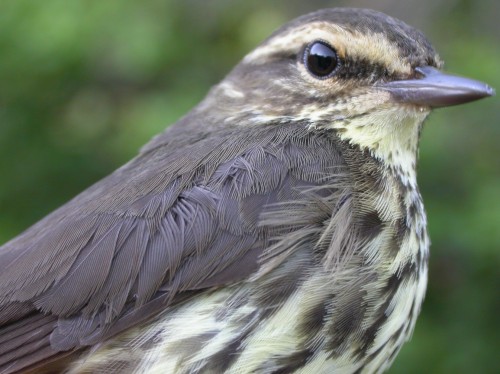
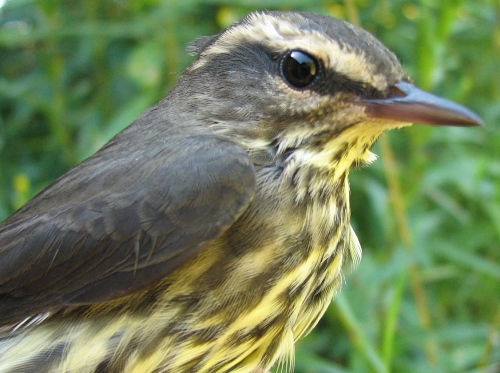
Ageing and sexing details: Overall appearance rarely provides any clues to age for waterthrushes, and sex can be determined only in the hand by looking for brood patches (females) or cloacal protuberances (males).
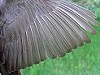
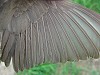
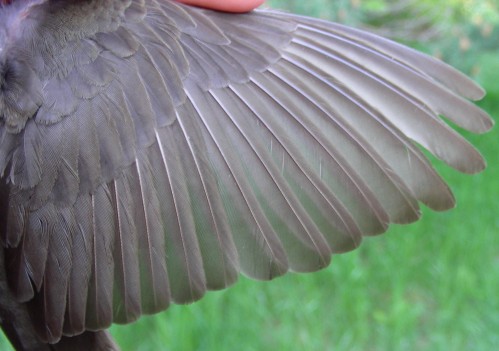
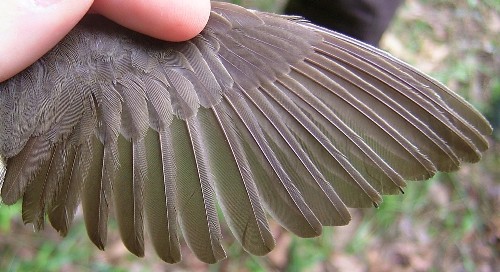
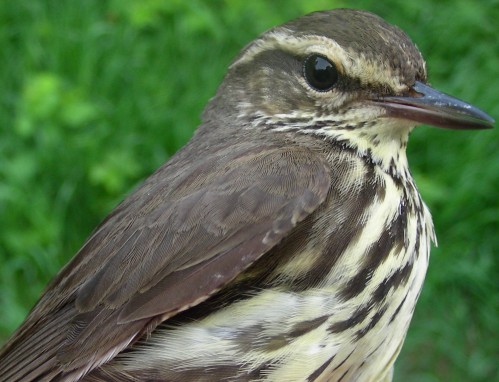
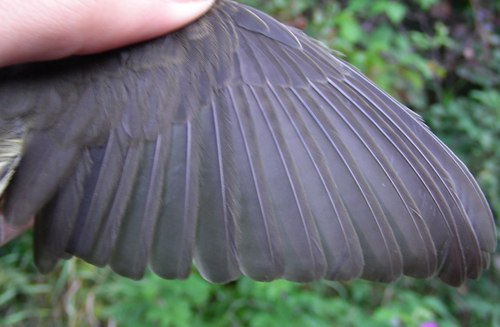
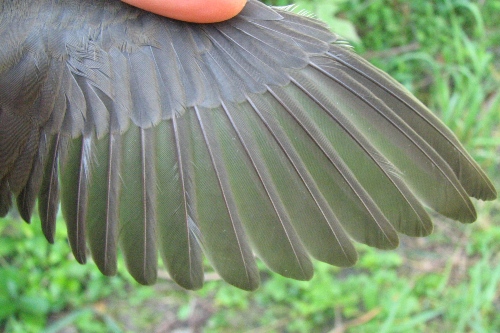
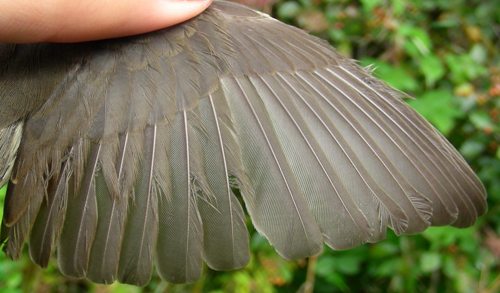
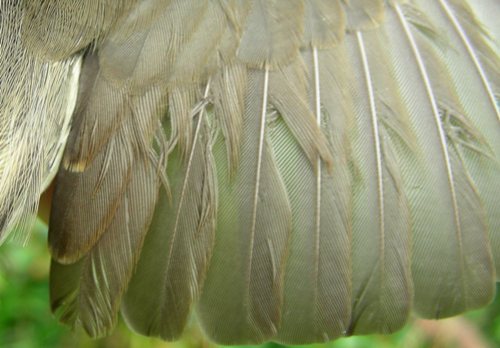
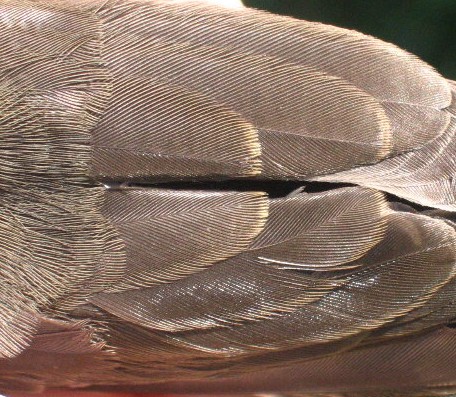
After-second-year waterthrushes have a relatively uniform appearance to the wing, with the tertials in particular not appearing significantly more pale or worn than adjacent feathers.
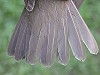
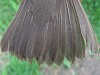
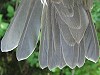
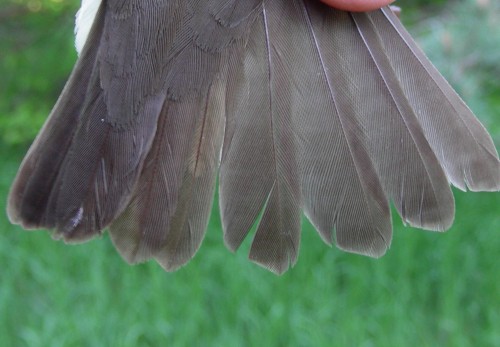
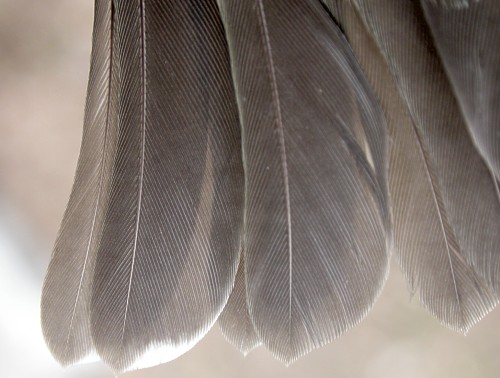
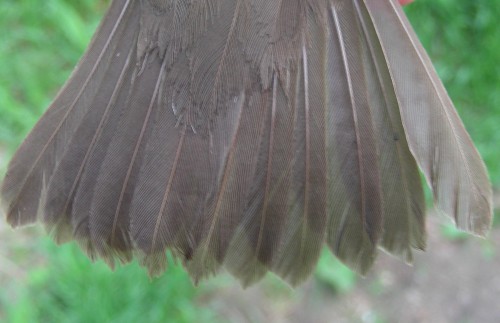
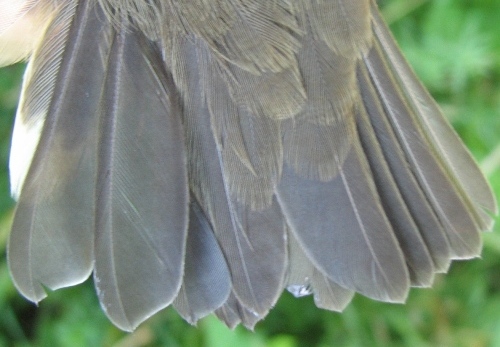
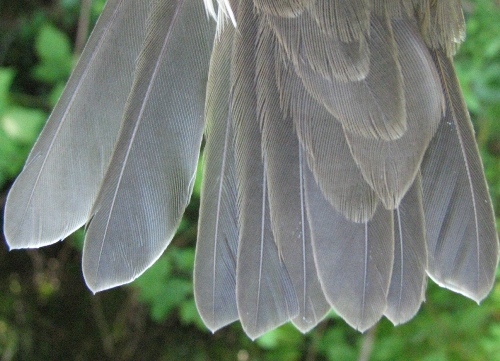
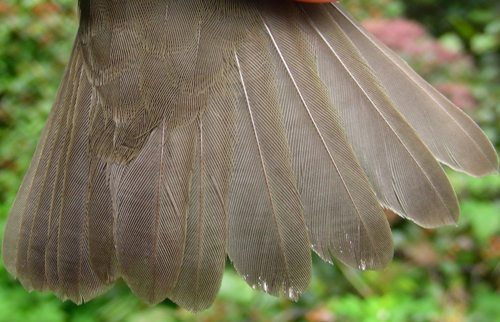
Rectrices are useful for ageing waterthrushes, since adult feathers are typically much broader and rounder at the tip than juvenile feathers. In some cases, as in the second example below, there can be a bit of white near the tip on after-second-year birds.
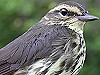
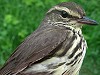
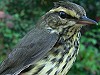
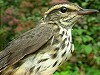
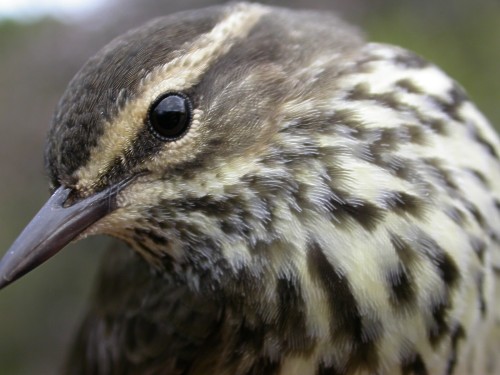
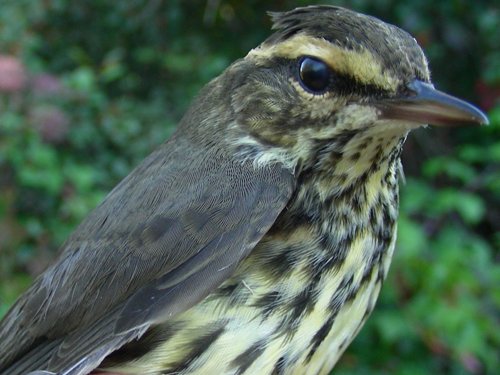
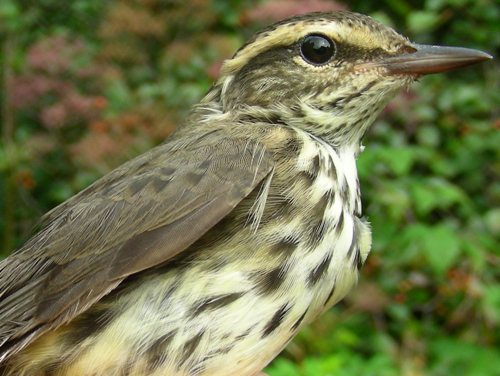
Overall plumage is rarely useful for ageing waterthrushes, though on occasion very worn tertials on a second-year bird can be visible while perched.
Second-year waterthrushes often have particularly worn or pale tertials; the example below shows this only to a moderate extent.
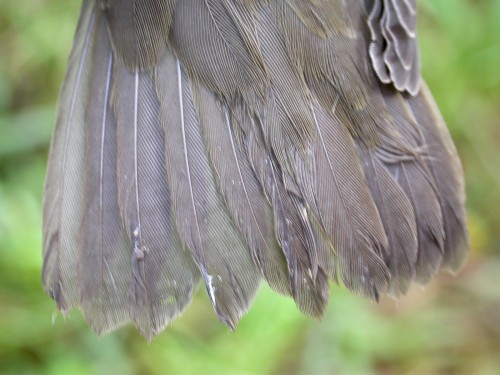
Rectrices can be helpful for ageing waterthrushes, with second-year birds typically having narrower and more pointed tail feathers.
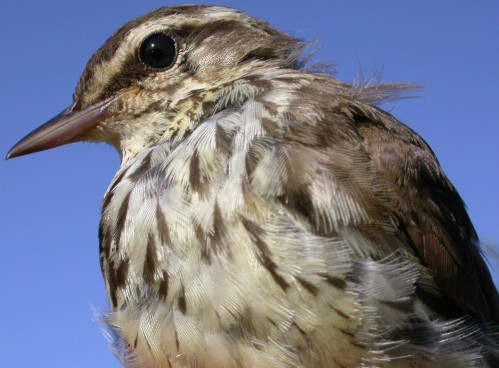
Overall plumage is rarely of use in identifying after-hatch-year waterthrushes; sex cannot be determined outside of the breeding season.
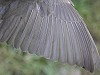
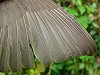
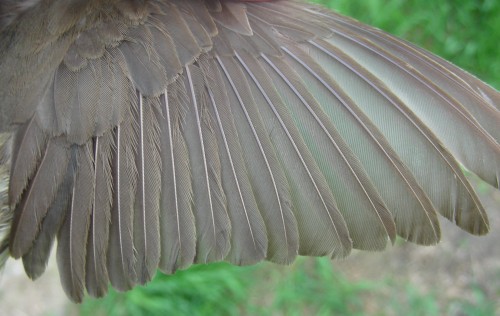
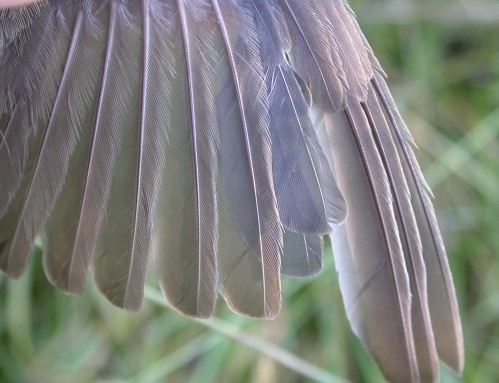
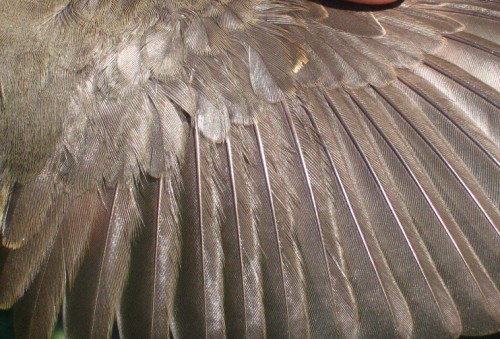
The wing of after-hatch-year waterthrushes is uniform in colour and wear, with no pale tips to the tertials or any other feathers. Note, however, that in late summer to early fall, individuals may be moulting their primaries and secondaries as in the third photo below; any individual seen replacing these feathers can immediately be recognized as after-hatch-year, as hatch-year birds do not replace any of these feathers during their preformative moult.
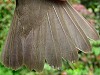
After-hatch-year waterthrushes have relatively broad and rounded rectrices, sometimes with a bit of white on the outermost two feathers (r5 and r6).
Hatch-year waterthrushes can occasionally be aged while perched, if pale tips of the tertials or other wing feathers are visible, but in most cases the open wing and/or tail need to be viewed to determine age.
Juvenile tertials typically have narrow rusty or pale tips; occasionally (as in the first photo below) these may also be present on other coverts.
Hatch-year waterthrushes tend to have somewhat narrower and more tapered rectrices than after-hatch-year individuals, though the difference is less pronounced in fall than spring, therefore the pale-tipped tertials are the best feature to look for in fall.
|